

Essential Carpet Care Tips for Homeowners
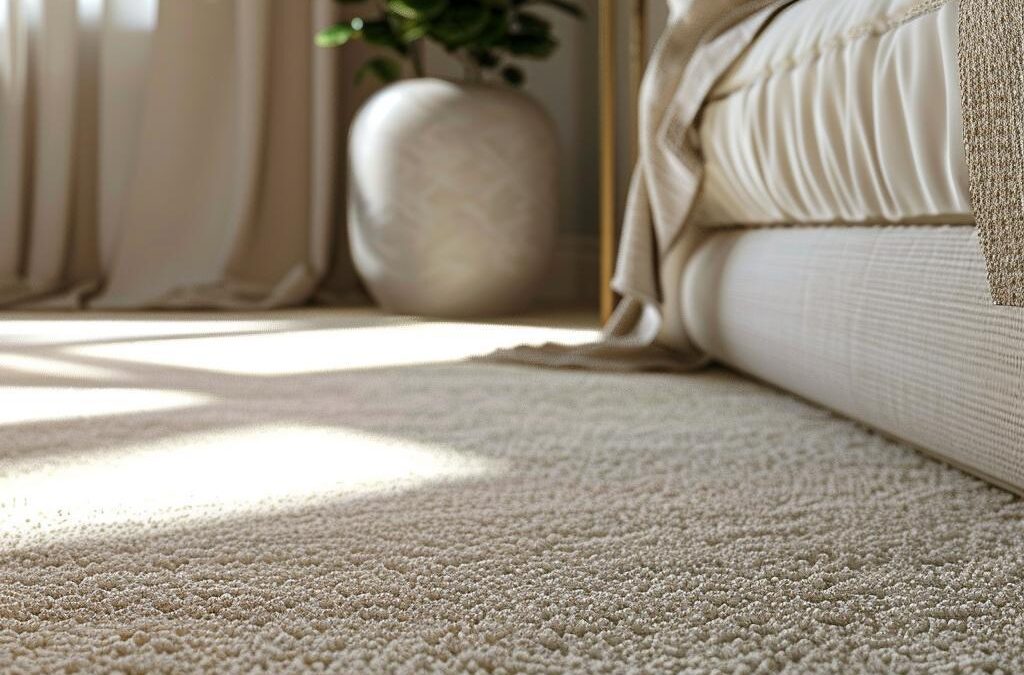
Carpet care tips focus on proactive dry soil extraction, rapid spot treatment using pH-balanced solutions, and scheduled professional hot water extraction to maintain fiber integrity. High-traffic residential areas accumulate particulate soils, bio-contaminants, and atmospheric pollutants that degrade synthetic and natural textile structures over time. Vacuuming with a HEPA-filtered upright unit two to three times weekly eliminates up to 79% of dry soil before friction breaks down individual pile fibers. Immediate blotting of liquid spills prevents permanent dyestuff binding and subsurface pad contamination. Professional deep cleaning performed every 12 to 18 months via hot water extraction lifts deep-seated oily soils, restores fiber resiliency, and sanitizes textile backing systems.
Mississauga, Ontario, features a diverse residential layout ranging from high-rise urban condominiums near City Centre to expansive single-family estates in Mineola and Lorne Park. Maintaining residential flooring across Peel Region requires specialized maintenance strategies tailored to local structural layouts and traffic patterns. Property owners throughout Mississauga require tailored maintenance schedules to protect carpet investments against heavy foot traffic, seasonal soil loading, and airborne particulate accumulation. Adopting structured maintenance routines preserves aesthetic appeal, extends carpet lifespans, and maintains healthy indoor air quality across local residences.
Community Context & Regional Climate Impact
Lake Ontario creates a unique microclimate in Mississauga that directly impacts indoor carpet care and fiber performance. Seasonal climate fluctuations expose residential flooring to distinct physical and environmental stressors throughout the calendar year. Winter months bring freezing temperatures, heavy snowfall, and extensive application of road salt, sodium chloride, and calcium chloride compounds across local roadways and sidewalks. Footwear tracks sticky ice-melt chemicals into foyer and hallway carpets, where alkaline residue attracts atmospheric grime and stiffens carpet fibers. Winter slush also introduces moisture into carpet backings, creating ideal conditions for sub-floor dampness if not extracted promptly.
Springtime in Peel Region brings high pollen counts and elevated outdoor humidity levels. Tree pollen, ragweed, and fungal spores enter homes through open windows and ventilation systems, settling deep into the carpet pile. Carpet fibers act as a secondary air filter, trapping bio-allergens until mechanical agitation or vacuuming removes them. Failure to maintain regular extraction schedules during spring allows organic matter to decompose within the primary backing, leading to persistent indoor odors.
Summer brings elevated relative humidity levels across Mississauga, frequently exceeding 80% during July and August. High atmospheric moisture slows natural evaporation rates during spot cleaning and routine maintenance, extending carpet drying times significantly. Prolonged dampness in carpet backings increases the risk of microbial growth and localized fiber browning. Autumn introduces decomposing leaf mold, organic debris, and mud tracked indoors during rainy periods.
| Season | Environmental Stressor | Carpet Impact | Primary Solution |
| Winter | Calcium chloride, road salt, slush | Alkaline residue build-up, fiber stiffening | Neutralizing rinse, entry matting |
| Spring | Tree pollen, elevated humidity | Bio-allergen accumulation, organic odors | HEPA vacuuming, deep hot water extraction |
| Summer | Excessive relative humidity | Prolonged drying times, risk of mildew | Dehumidification, forced air drying |
| Autumn | Organic leaf mold, wet mud | Abrasion from particulate soil, staining | Spot extraction, dry particulate removal |
The 7-Step Professional Care Process
- Pre-Inspection & Fiber Identification: Technicians evaluate carpet fiber composition (nylon, polyester, olefin, or wool), backing material, seam integrity, and pre-existing stain conditions.
- High-Efficiency Dry Particulate Removal: Commercial HEPA vacuuming removes loose, dry soil particles before wet cleaning agent application occurs.
- Pre-Conditioning & Surfactant Application: Eco-friendly, pH-balanced pre-sprays break down oils, bind soil molecules, and suspend contaminants away from individual fiber strands.
- Mechanical Agitation: Counter-rotating brush machines work the pre-conditioning solution gently into the carpet pile, loosening embedded debris without damaging carpet twist.
- High-Pressure Hot Water Extraction & Neutralizing Rinse: Truck-mounted extraction equipment injects heated water while simultaneously pulling soil, water, and cleaning agent residues into recovery tanks. A acidic neutralizing rinse prevents chemical buildup and leaves fibers soft.
- Pile Grooming & Orientation: Specialized carpet rakes align carpet pile direction, enhancing visual consistency and accelerating moisture release.
- Accelerated Air Movement: Industrial axial air movers circulate dry air across floor surfaces, achieving complete dryness within four to six hours.
Localized Regional Reach & Service Proximity
Proximity to key transportation corridors enables rapid delivery of mobile carpet care equipment across Mississauga and neighboring communities. Residential housing stock throughout Southern Ontario displays diverse carpet care requirements based on architectural style and building age.
Adjacent Municipalities Served
-
Brampton: Subdivisions in South Brampton feature high-traffic family homes requiring frequent traffic-lane restoration and pet stain neutralizing treatments.
-
Oakville: Waterfront communities and custom residences in Oakville demand specialized WoolSafe cleaning for premium wool area rugs and delicate wool wall-to-wall carpeting.
-
Milton: Rapidly developing suburban developments in Milton require aggressive post-construction dust removal and deep soil extraction for newly occupied homes.
Local Landmarks & Commercial Hub Connections
Service delivery routes connect directly through key infrastructure hubs across Mississauga. Technicians travel routinely past Square One Shopping Centre, providing commercial carpet maintenance for retail spaces and residential care for surrounding high-rise condominium towers along City Centre Drive. Operations extend down to the historic Port Credit Lighthouse area, servicing waterfront townhomes where high humidity and lake breezes introduce moisture into ground-floor floorings.
Commercial operations centralize around Meadowvale Town Centre, serving office complexes, commercial plazas, and nearby residential subdivisions along Winston Churchill Boulevard, Derry Road, and Erin Mills Parkway. Quick access to Highway 401, Highway 407, and the Queen Elizabeth Way (QEW) ensures prompt response times for residential appointments and urgent water extraction requests across Peel Region.
Route Directions from Meadowvale Town Centre
Navigating to regional service locations from local commercial hubs follows straightforward transit routes across major arterial roads.
Driving Directions
- Depart Meadowvale Town Centre heading east toward Derry Road West.
- Turn right (south) onto Winston Churchill Boulevard and proceed past Plum Tree Park.
- Continue south along Winston Churchill Boulevard for approximately 800 meters.
- Turn left (east) onto Arvida Circle.
- Follow Arvida Circle around the residential loop to arrive at 2981 Arvida Circle on the right-hand side.
Technical Glossary
| Technical Term | Industry Definition | Local Application Context |
| Surfactants | Surface-active molecules that reduce water surface tension to lift oily soils from fibers. | Used in pre-sprays to loosen heavy foot-traffic soils in Mississauga foyers. |
| Hydrophobic | Properties of synthetic fibers (like polyester) that repel water but attract oily soils. | Requires specialized solvent-based cleaning boosters in high-traffic spaces. |
| Hygroscopic | The ability of natural fibers (like wool) to absorb and retain atmospheric moisture. | Critical parameter when managing drying times during humid Mississauga summers. |
| Soil Suspension | The process of separating soil particles from carpet fibers using thermal and chemical energy. | Essential step prior to hot water extraction to avoid re-depositing grime. |
| Encapsulation | Low-moisture cleaning polymers that crystallize around soil particles for vacuum removal. | Ideal for interim maintenance in Mississauga commercial office spaces. |
| Pile Distortion | Alteration of original carpet texture caused by heavy foot traffic, heat, or improper scrubbing. | Prevented through proper grooming rakes and gentle mechanical agitation. |
Frequently Asked Questions
How frequently should Mississauga home carpets receive professional cleaning?
Professional extraction should occur every 12 to 18 months under standard residential conditions. High-traffic households with children or pets benefit from professional cleaning every 6 to 9 months.
What vacuum cleaner design works best for synthetic carpets?
Upright vacuums equipped with adjustable rotating beater bars and dual-motor suction offer optimal performance. HEPA filtration prevents fine dust particulates from re-entering indoor air space.
How are salt stains removed from entryway carpets during winter?
Neutralizing rinses containing mild acetic acid break down calcium chloride and sodium chloride salts. Blotting with diluted acid-rinse solutions dissolves white crystalline rings without harming carpet dye.
Why do spots reappear several days after cleaning?
Wicking causes spot re-appearance when liquid spills stored deep in carpet backing migrate back up carpet fibers during drying. Thorough extraction and rapid air drying prevent moisture migration.
Can steam cleaning damage delicate wool carpets?
Excessive heat and high alkalinity damage natural wool fibers. Professional technicians utilize WoolSafe-approved neutral cleaning agents and water temperatures below $150^\circ\text{F}$ ($65^\circ\text{C}$) to clean wool safely.
How quickly does carpet dry following hot water extraction?
Standard drying times range between 4 and 8 hours when air circulation and indoor temperature controls operate properly. Utilizing HVAC fan settings or dehumidifiers accelerates drying times.
What steps protect carpet fibers from heavy furniture indentations?
Furniture glides and wide protective cups distribute weight evenly across floor surfaces. Lightly steaming compressed fibers while gently raking pile restores crushed tufts.
Are eco-friendly carpet cleaning products effective on heavy grease stains?
Plant-derived bio-surfactants break down organic oils and lipid-based soils effectively. Advanced green formulations match traditional chemical performance without leaving toxic residues behind.
How does high indoor humidity affect carpet maintenance?
Elevated indoor humidity reduces natural evaporation rates, increasing drying times after spot cleaning or extraction. Running air conditioning or dehumidifiers maintains ideal indoor moisture levels.
Does carpet cleaning remove deep-seated indoor allergens?
High-temperature hot water extraction removes dust mites, pollen grains, pet dander, and fungal spores trapped deep within carpet backings, improving indoor air quality significantly.
Conclusion
Implementing consistent carpet care tips protects residential flooring investments, improves indoor air quality, and preserves carpet appearance over years of daily use. Combining routine HEPA vacuuming, prompt spot treatment, and periodic certified hot water extraction ensures optimal textile durability regardless of seasonal weather challenges. For expert carpet care tips, professional maintenance, and deep restoration services in Peel Region, contact Carpet Care Solution, 2981 Arvida Cir, Mississauga, ON L5N 1R6, CANADA at +1 905-819-0462 to schedule an on-site evaluation.