

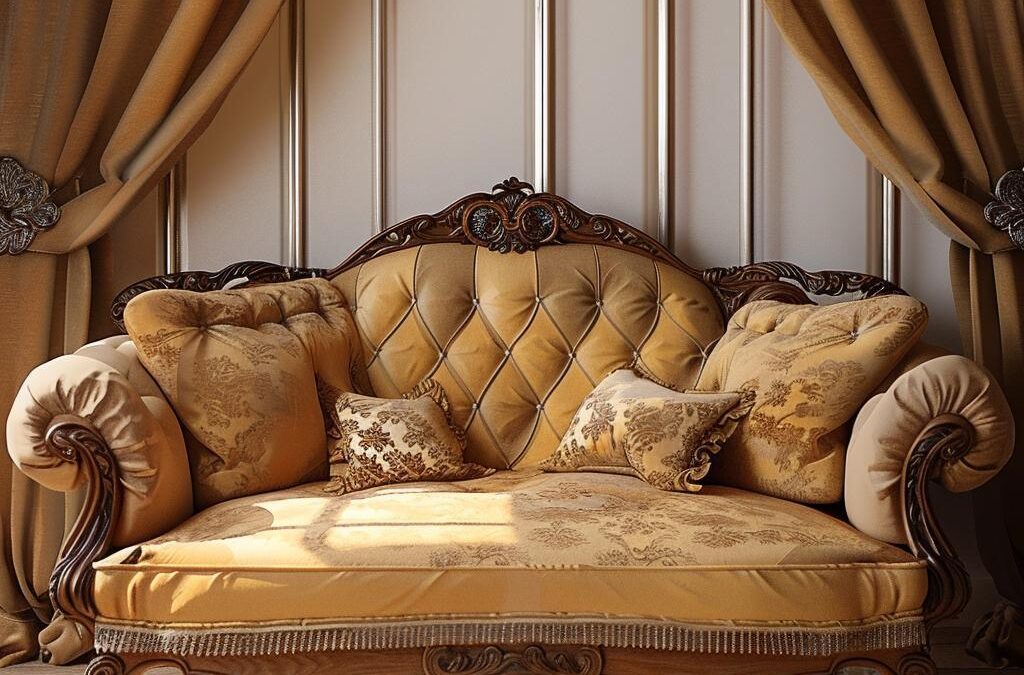
Residential upholstery cleaning is an important part of maintaining sofas, chairs, sectionals, ottomans, and other upholstered furniture. Everyday use exposes these fabrics to dust, body oils, food crumbs, spills, pet hair, and other soils that can build up below the surface. Vacuuming helps remove loose debris, but it cannot always reach the deeper soil trapped within upholstery fibers and cushions.
For homeowners in Mississauga, regular upholstery care can help furniture stay cleaner and look its best for longer. The right cleaning approach depends on the fabric, furniture construction, type of soil, and condition of the material. Using too much water, the wrong cleaning product, or excessive agitation can create problems such as discoloration, shrinkage, or prolonged drying.
Professional residential upholstery cleaning takes a more controlled approach. A trained technician can inspect the furniture first, identify the fabric and cleaning requirements, treat appropriate spots, and select a cleaning method that matches the material.
Why Upholstered Furniture Gets Dirty
Upholstered furniture is exposed to more daily activity than many homeowners realize. Sofas and chairs are commonly used for eating, relaxing, working, watching television, and spending time with family and pets.
Over time, several types of soil can accumulate in the fabric:
- Dust and loose household particles
- Food and drink spills
- Body oils transferred from skin and hair
- Pet hair and dander
- Outdoor soil brought indoors on clothing
- Cosmetic and personal-care products
- Residue from previous spot treatments
- Stains from everyday accidents
Some of this material remains close to the surface and can be removed with regular vacuuming. Other soils can work farther into the upholstery, especially on frequently used seating.
Body oils are particularly noticeable on areas such as armrests, headrests, and the front edges of cushions. These areas can gradually develop a darker or duller appearance even when the furniture is vacuumed regularly.
This is one reason professional cleaning should focus on more than simply making the fabric look cleaner. The cleaning method should address the type of soil while protecting the upholstery itself.
Why Vacuuming Alone Is Not Always Enough
Regular vacuuming is one of the most useful things homeowners can do for upholstered furniture. It removes loose particles before they have an opportunity to become more deeply embedded.
However, a household vacuum generally cannot remove every type of soil from upholstery. Oils, sticky residues, and other bonded soils may require a cleaning solution and controlled extraction.
Professional upholstery cleaning typically combines several steps rather than relying on one treatment. The technician may begin by removing loose soil, then apply an appropriate cleaning solution, agitate the material when necessary, and extract the suspended soil and moisture.
The exact process should always be adjusted to the upholstery.
A delicate fabric may require a different approach from a durable synthetic material. Furniture construction also matters. Some cushions, linings, and backings are more sensitive to moisture than others.
How Professional Residential Upholstery Cleaning Works
A quality cleaning appointment begins with inspection rather than immediately applying water or cleaning chemicals.
1. Fabric and Condition Inspection
The technician examines the upholstery to determine what type of material is being cleaned and whether there are existing issues.
The inspection may consider:
- Fabric type
- Color stability
- Existing stains
- Wear and abrasion
- Previous cleaning attempts
- Cushion construction
- Manufacturer care instructions
- Areas with heavier soil
This step is important because upholstery is not one uniform material. Different fabrics can react differently to moisture, heat, agitation, and cleaning agents.
2. Pre-Vacuuming
Loose dirt and debris are removed before deeper cleaning begins.
Removing dry soil first can make the subsequent cleaning process more effective and reduces the amount of particulate material that needs to be suspended in the cleaning solution.
Homeowners can support this process by regularly vacuuming sofa cushions, crevices, and other accessible areas.
3. Targeted Spot Treatment
Visible spots may receive a targeted treatment selected for the type of stain and fabric.
For example, a food stain may require a different treatment from an oily mark. Pet-related contamination can also require a different approach depending on whether the issue involves hair, dander, staining, or odor.
There is no universal stain remover that is appropriate for every upholstery material.
Homeowners should also avoid repeatedly applying household cleaners to difficult stains. Multiple products can leave residues or make later professional treatment more complicated.
4. Cleaning Solution Application
A suitable cleaning solution is applied according to the upholstery’s condition and cleaning requirements.
Professional cleaning solutions often contain surfactants. In simple terms, surfactants are ingredients that help loosen and suspend soil so it can be removed more effectively.
The cleaning solution must be appropriate for the material. Using an unnecessarily strong product does not automatically produce better results.
5. Controlled Agitation
Some upholstery requires gentle mechanical agitation to help distribute the cleaning solution and loosen soil.
The amount of agitation should be controlled. Excessive scrubbing can damage fibers, affect the fabric’s appearance, or contribute to premature wear.
This is particularly important for delicate or textured upholstery.
6. Extraction
Depending on the material and cleaning method, professional equipment may be used to extract suspended soil and moisture from the upholstery.
Hot water extraction is one commonly used professional method. Despite the term “steam cleaning,” the process generally involves applying a controlled cleaning solution and extracting it along with loosened soil. It is not simply steam being used to clean the furniture.
The amount of moisture and pressure should be appropriate for the upholstery.
7. Drying and Final Inspection
After cleaning, the technician checks the upholstery and helps promote appropriate drying.
Drying time varies. Fabric type, cushion construction, humidity, airflow, and the amount of moisture used during cleaning can all affect how quickly furniture dries.
Good airflow can help. Homeowners can use fans or ventilation when appropriate and should avoid heavily using freshly cleaned furniture until it is sufficiently dry.
Mississauga Conditions and Upholstery Care
Mississauga homes experience seasonal changes that can affect indoor cleaning routines.
During winter, residents spend more time indoors and upholstered furniture may receive heavier daily use. Heating systems can also contribute to drier indoor conditions and increased airborne dust.
Spring and summer bring more opportunities to open windows and doors, which can introduce outdoor particles into the home. Pets and family members may also track additional soil indoors.
During humid periods, drying becomes particularly important after any wet cleaning process. Upholstery should not remain unnecessarily damp.
These seasonal changes do not mean every home needs the same cleaning schedule. Instead, homeowners should consider how the furniture is used and how quickly visible soil accumulates.
How Often Should You Have Upholstery Professionally Cleaned?
There is no single schedule that works for every household.
A lightly used formal chair may require less frequent professional cleaning than a sectional used every day by a family with children and pets.
Factors that can increase cleaning needs include:
- Heavy daily use
- Children in the household
- Pets
- Frequent food or drink consumption on furniture
- Visible staining
- High-traffic living areas
- Household members with sensitivities to dust or other airborne particles
- Previous spills or contamination
Regular vacuuming and prompt attention to spills can help maintain upholstery between professional cleanings.
Instead of waiting until furniture looks heavily soiled, homeowners can monitor frequently used pieces and arrange professional cleaning when visible soil, staining, or odor becomes noticeable.
What Homeowners Should Do About Spills
Quick action can make a difference when a spill occurs.
First, gently blot the affected area with a clean, absorbent cloth. Avoid aggressively rubbing the spill because friction can spread the material and potentially damage the fabric.
Next, check the manufacturer’s care instructions before applying any cleaning product.
If you are unsure about the fabric or the appropriate treatment, it is safer to have the material assessed by a professional than to experiment with multiple household cleaners.
Avoid using excessive water. Upholstery can contain layers of fabric, padding, and backing, and introducing too much moisture can make drying more difficult.
Pet Stains and Odors Require Special Attention
Pet-related upholstery problems can involve more than a visible stain.
Urine, for example, can penetrate beyond the surface depending on the furniture construction and the amount of contamination. A surface treatment may improve the appearance without addressing material that has moved deeper into the cushion.
Professional technicians can evaluate the affected area and determine whether the contamination is limited to the fabric or has reached deeper components.
Enzyme-based products may be appropriate for certain organic stains because enzymes are designed to break down specific types of organic material. However, treatment effectiveness depends on the type and extent of contamination and whether the affected material can be reached.
Homeowners should be cautious about promises that any cleaning treatment will permanently eliminate every pet odor. Severe contamination may require more extensive treatment or replacement of affected materials.
Protecting Upholstery Between Professional Cleanings
Professional cleaning is only one part of furniture maintenance.
Homeowners can reduce soil accumulation with a few simple habits:
Vacuum regularly. Use an appropriate upholstery attachment to remove loose dirt, pet hair, and dust from cushions and crevices.
Address spills promptly. Blot rather than scrub, and follow the manufacturer’s care instructions.
Rotate removable cushions when appropriate. If the furniture manufacturer permits it, rotating cushions can help distribute normal wear more evenly.
Keep pets’ bedding clean. This can reduce the amount of loose hair and soil transferred to sofas and chairs.
Avoid unnecessary cleaning products. Applying several products to the same stain can create residue or cause discoloration.
Follow manufacturer instructions. The upholstery care label provides useful information about which cleaning approaches are suitable.
Choosing a Residential Upholstery Cleaning Company in Mississauga
Homeowners should look beyond price when comparing upholstery cleaning services.
A reputable company should be willing to explain its cleaning process and discuss the condition and material of the furniture before cleaning begins.
Questions worth asking include:
- Will the upholstery be inspected before cleaning?
- What cleaning method is recommended for this particular fabric?
- How are difficult stains treated?
- What should I expect regarding drying time?
- Are there areas that may not respond completely to cleaning?
- Does the company have experience with the type of upholstery being cleaned?
- What should I do to prepare the furniture?
Experience also matters when cleaning furniture with delicate fabrics, unusual construction, or previous staining.
Carpet Care Solution in Mississauga
Carpet Care Solution (CCS) provides carpet and upholstery cleaning services from its Mississauga location. The company was established in 1990 and is led by owner Paul Hendry, who has more than 25 years of industry experience.
Its services include upholstery cleaning alongside carpet cleaning, area rug care, carpet repairs, and flood damage restoration. The company serves Mississauga and surrounding communities including Brampton, Oakville, Burlington, Milton, and Georgetown.
For homeowners considering residential upholstery cleaning in Mississauga, the most important consideration is not simply whether a company offers upholstery cleaning. The key is whether the cleaning approach is appropriate for the specific furniture and fabric.
An experienced technician should evaluate the material, identify potential risks, select an appropriate cleaning method, and communicate realistic expectations before beginning the work.
Frequently Asked Questions About Residential Upholstery Cleaning
How often should residential upholstery be professionally cleaned?
The appropriate frequency depends on furniture use, household conditions, pets, children, and visible soil. Heavily used furniture generally needs attention more often than rarely used pieces. Regular vacuuming can help extend the time between professional cleanings.
Can professional upholstery cleaning remove every stain?
No cleaning method can guarantee complete removal of every stain. Results depend on the type of stain, how long it has been present, the fabric, previous treatments, and whether the material has been permanently discolored or damaged.
How long does upholstered furniture take to dry?
Drying time varies by fabric, cushion construction, cleaning method, humidity, temperature, and airflow. A professional cleaner should provide an expected range after evaluating the furniture rather than promising one exact drying time for every job.
Is hot water extraction suitable for every upholstery fabric?
No. Hot water extraction can be effective for appropriate materials, but upholstery cleaning should be based on the fabric manufacturer’s instructions and the technician’s assessment. Some materials require low-moisture or other specialized methods.
Can upholstery cleaning remove pet odors?
It can reduce or remove some pet-related odors, but results depend on the severity and depth of the contamination. If urine or another substance has penetrated deeply into cushions or padding, surface cleaning may not be sufficient.
Should I clean a stain myself before calling a professional?
You can blot fresh spills and follow the manufacturer’s care instructions, but avoid repeatedly applying different cleaning products. Aggressive scrubbing or unsuitable chemicals can make some stains more difficult to treat.
Is professional upholstery cleaning safe for children and pets?
Cleaning products should be selected and used according to their instructions and the upholstery manufacturer’s requirements. Children and pets should generally be kept away from the work area during cleaning and until the furniture is appropriately dry.
Keep Your Upholstered Furniture Cleaner for Longer
Residential upholstery cleaning is most effective when it is treated as part of regular furniture maintenance rather than a last-minute response to heavily soiled fabric.
Vacuuming, prompt spill treatment, following care labels, and monitoring frequently used furniture can help reduce everyday soil accumulation. When deeper cleaning is needed, professional assessment helps ensure that the cleaning method matches the upholstery.
For homeowners in Mississauga, choosing an experienced upholstery cleaning provider can also make it easier to understand what the furniture needs and what results are realistically achievable. Proper cleaning is not about using the strongest chemical or the most aggressive equipment. It is about using the right method for the right material while balancing soil removal, moisture control, and fabric protection.