


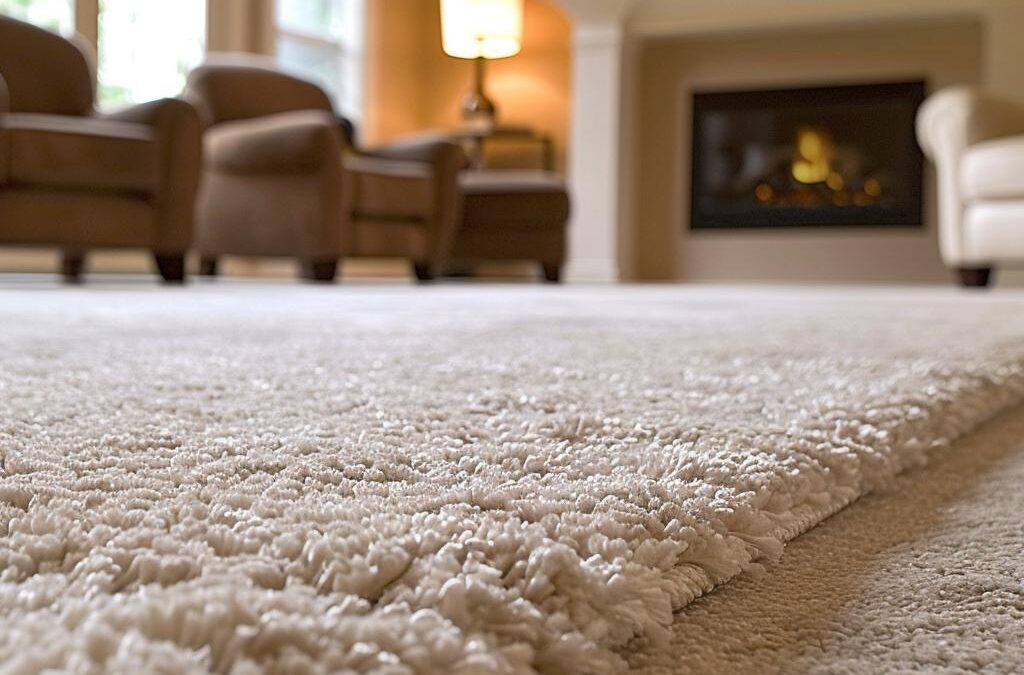
Experiencing a flood can be a challenging ordeal for any homeowner, especially when dealing with the aftermath left on your carpets. Flood waters can introduce a significant amount of dirt and bacteria into your home, creating an environment ripe for mould growth and bad odours. Addressing the condition of your carpets immediately after a flood is not just about cleanliness but also about ensuring a healthy living environment for your family. The significance of a thorough post-flood carpet clean-up cannot be overstated, particularly in areas like Mississauga where flooding can occur due to heavy rains or melting snow.
In this piece, we’ll walk you through the steps to take right after a flood, focusing on practical measures that can help save your carpets and ensure your home remains a safe place. From initial clean-up actions to deep cleaning processes, each step is crucial for tackling the challenges a flood brings.
Immediate Steps to Take After Flooding
When dealing with a flood in your home, acting quickly is your best defense against long-term damage. Here are the immediate steps you should follow to manage the situation effectively:
- Remove Excess Water: Begin by removing as much water as possible. You can use a combination of buckets, a wet vacuum, or any pump you have access to. The quicker you get rid of the water, the better.
- Ventilate the Area: Once you’ve removed the bulk of the water, it’s essential to dry out the carpet to prevent mould. Open windows and doors to let fresh air circulate. This helps to speed up the drying process and reduces the risk of moisture-related issues.
- Use Fans and Dehumidifiers: Deploy fans and dehumidifiers to help dry the carpet thoroughly. Fans push moist air out while dehumidifiers draw moisture from the air, making them a powerful duo against water damage. Place the equipment in such a way that air can circulate freely around the entire room.
These steps are your first line of defense in saving your carpets from the unfortunate aftermath of a flood. Swift action can significantly reduce the risk of mould and prevent unpleasant smells from taking hold. If you have any doubts about the process or find it too overwhelming to handle alone, it’s always a good idea to consider professional assistance for a comprehensive solution. Moving forward, let’s explore how to ensure a deep clean that addresses any lingering issues after the initial clean-up is complete.
Deep Cleaning the Carpet
After the initial drying phase, it’s important to perform a deeper clean to ensure every bit of dirt and bacteria is dealt with. Floodwaters can harbor all sorts of nasty germs, and simply drying the carpet isn’t enough to make them go away. This is why turning to professional carpet cleaning services can be a lifesaver. They have the right equipment and expertise to carry out a thorough clean, leaving your carpet safe and fresh.
The process usually involves a few critical steps. First, professionals assess the level of damage to determine the best course of action. They then use high-powered cleaning machines to lift dirt deep from the fibers. Special cleaning agents help tackle bacteria and any beginnings of mould, ensuring that the carpet not only looks clean but is sanitized. This kind of thorough cleaning provides peace of mind, knowing your living space is healthy.
Preventing Mold and Odours
Keeping mould and bad smells at bay is a top priority after a flood. Swift action is key to stopping mould from setting up shop. Here are some tips to help you stay ahead:
– Keep the air moving: Improve air circulation by using fans and opening windows.
– Control humidity: Using dehumidifiers helps keep moisture at a manageable level.
– Antimicrobial treatments: These products are designed to prevent mould and mildew growth, offering a barrier against future problems.
Actions like these are vital in maintaining a healthy home environment. Why wait until a small issue turns into a big one?
When to Replace a Flood-Damaged Carpet
Sometimes, despite your best efforts, a carpet has taken too much damage to be salvaged. Knowing when to replace rather than clean is important for health and safety. If signs of significant wear or a persistent odour linger even after a deep clean, it might be time to say goodbye to the old carpet. Discoloration, extensive mould, or damage to the backing usually signal that replacement is the best option.
Consulting with a professional can give you clarity on the next steps. They’ll assess the extent of the damage and help you understand the best move forward. Making the right decision can lead to a healthier home for you and your family.
Long-Term Maintenance Tips
Once you’ve got your carpets back in shape, keeping them that way is the next challenge. Regular maintenance can extend the life of your carpets and keep them fresh for years. Consider these tips:
– Get professional cleanings done regularly to keep your carpet in peak condition.
– Invest in water-resistant carpet pads and protectors to reduce the risk of future damage.
– Carry out periodic checks for signs of mould and mildew.
These steps not only protect your investment but also ensure that your home stays healthy and safe.
Keeping Your Home Safe and Clean
Acting fast and thoroughly in response to flooding can make all the difference. A cleaned and well-maintained carpet supports a healthier, more pleasant home environment. Developing a strategy for future incidents ensures you’re ready to handle whatever comes your way. Professional services can provide reliable support in maintaining the cleanliness and safety of your home, giving you peace of mind.
Don’t let flood damage overwhelm your home environment. Trust the expertise of Carpet Care Solution for a thorough cleaning that tackles the mess effectively and efficiently. Our specialized carpet cleaning services ensure every corner of your carpet is left fresh and sanitized. Reach out today and let us help restore your home to its pristine condition after a flood.